Igniting potential: my teaching philosophy
I am dedicated to guiding students to discover their inner artist, foster resilience, and connect deeply with their creativity through mindfulness and diverse perspectives. My mission is to inspire growth, freedom, and the belief that every student has unique potential waiting to be unleashed.
For as long as I can remember, I have been drawn to the transformative power of education—not just as a way to convey information or prepare students for standardized tests, but as a profound tool for awakening the full range of human potential. To me, education is not only about the mind; it’s about the heart, the spirit, and the development of the whole person. Over the past two decades, this belief has only deepened through a rich tapestry of experiences, both in the United States and abroad. From classrooms in Italy and virtual platforms connecting me with children in China to charter schools here in Colorado and mindfulness retreats worldwide, I have seen firsthand how education, when done with intention and care, has the power to transform lives. Now, as I seek to take the next step in my journey by earning a master’s in education with a Colorado K–12 teaching license, I bring with me a diverse and dynamic background, a deep love for students, and a heartfelt vision for classrooms rooted in both academic rigor and emotional intelligence.
My formal teaching career began nearly two decades ago when I moved to Italy to teach English as a Second Language (ESL). What began as an adventurous chapter in my life quickly evolved into a profound professional calling. Over the course of nine years, I taught ESL both in person in Italy and online to children in China. These years proved foundational. Not only did they give me essential pedagogical tools, but they also immersed me in the vibrant cultures, challenges, and triumphs of students from widely varying linguistic and cultural backgrounds. Through these experiences, I learned that language is far more than a subject—it is a living, breathing bridge that connects people across borders, worldviews, and life experiences.
Teaching ESL revealed to me the power of communication and the incredible perseverance of young learners as they strive to express themselves in a new language. I developed a deep appreciation for the patience, humor, empathy, and individualized support required to help students thrive in unfamiliar linguistic environments. These early experiences also sharpened my ability to adapt lessons in real time, to meet students where they were, and to celebrate their growth, no matter how incremental it may have seemed. Watching my students grow more confident and find their voice—sometimes literally in a second language—was one of the most rewarding aspects of my career. It confirmed for me that teaching was not just a chapter but my life’s work.
After returning to the United States, I transitioned into a new role—teaching art in a charter school in Denver. The school served a beautifully diverse student body, including many English language learners and students with Individualized Education Plans (IEPs). This was a pivotal experience for me, as it stretched me to think more holistically about how students learn and how deeply emotional, social, and developmental factors influence their academic performance. Art, in this setting, became so much more than a creative outlet. It was a tool for healing, a language for those who struggled to express themselves with words, and a platform for building self-confidence and resilience.
In that art classroom, I saw how creative expression could unlock something in a student that no test or textbook could. Students who were shy or struggling in core subjects often came alive through painting, drawing, or building. It was a daily reminder that true education must address the whole child—acknowledging not only their intellectual abilities but also their emotions, their backgrounds, and their personal struggles. These students taught me as much as I taught them, and their courage and creativity continue to inspire me right now.
Another cornerstone of my educational philosophy is rooted in my twenty years of experience as a meditation and mindfulness teacher. Long before terms like “social-emotional learning” entered mainstream educational discourse, I was exploring the ways that inner stillness, presence, and emotional regulation could impact one’s ability to learn and grow. I’ve led mindfulness sessions for children, teens, and adults across different cultural contexts and have consistently found that these practices create a calmer, more focused, and more compassionate learning environment. In my own classrooms, I’ve incorporated simple breathing exercises and moments of mindfulness to help students reset and reconnect—especially when they’re overwhelmed, anxious, or distracted.
These tools are particularly beneficial for students facing trauma, instability, or learning challenges. When students are taught how to regulate their emotions, they’re better equipped to navigate challenges inside and outside of the classroom. I firmly believe that mindfulness and social-emotional learning should not be seen as extracurricular or optional—they are essential tools for lifelong success and well-being. In my future classroom, I hope to further integrate these practices into a holistic teaching approach, one that supports students both academically and emotionally. My ultimate goal is to create spaces where students feel safe, seen, and empowered—not only to succeed in school, but to thrive in life.
Art fosters creativity, imagination, and emotional expression, while science cultivates curiosity, analytical thinking, and a sense of wonder about the natural world. Both require observation, experimentation, and the courage to take risks. By blending these disciplines in my teaching, I hope to offer students a more integrated and meaningful learning experience—one that honors multiple intelligences and diverse ways of knowing.
At the core of all my work—whether in language, art, science, or mindfulness—is a deep belief in the inherent worth and potential of every student. I believe that all students deserve to be met with authenticity, respect, compassion, and high expectations. They deserve teachers who see them not just for what they can produce, but for who they are in real time and becoming. Whether I’m helping a student solve a scientific problem, interpret a piece of art, or sit quietly and connect to their breath, my mission remains the same: to create a nurturing, enjoyable, inclusive, and empowering learning environment where students can thrive.
I view teaching not as a job, but as a calling—one that I have spent years preparing for and one that I feel deeply ready to step into more fully through this master’s program. Fort Lewis College represents a beautiful next step in this journey: a place where I can deepen my knowledge, refine my practice, and become part of a supportive community of educators who are equally passionate about making a difference.

The spark of understanding
There's nothing more rewarding than seeing that look on a student's face when they suddenly understand something new. These "aha!" moments are the heart of why I teach. My passion lies in helping students realize they are artists, even if they've never believed it before. Watching them move from doubt to confidence, seeing themselves as truly creative, is a powerful transformation I strive to facilitate every day.
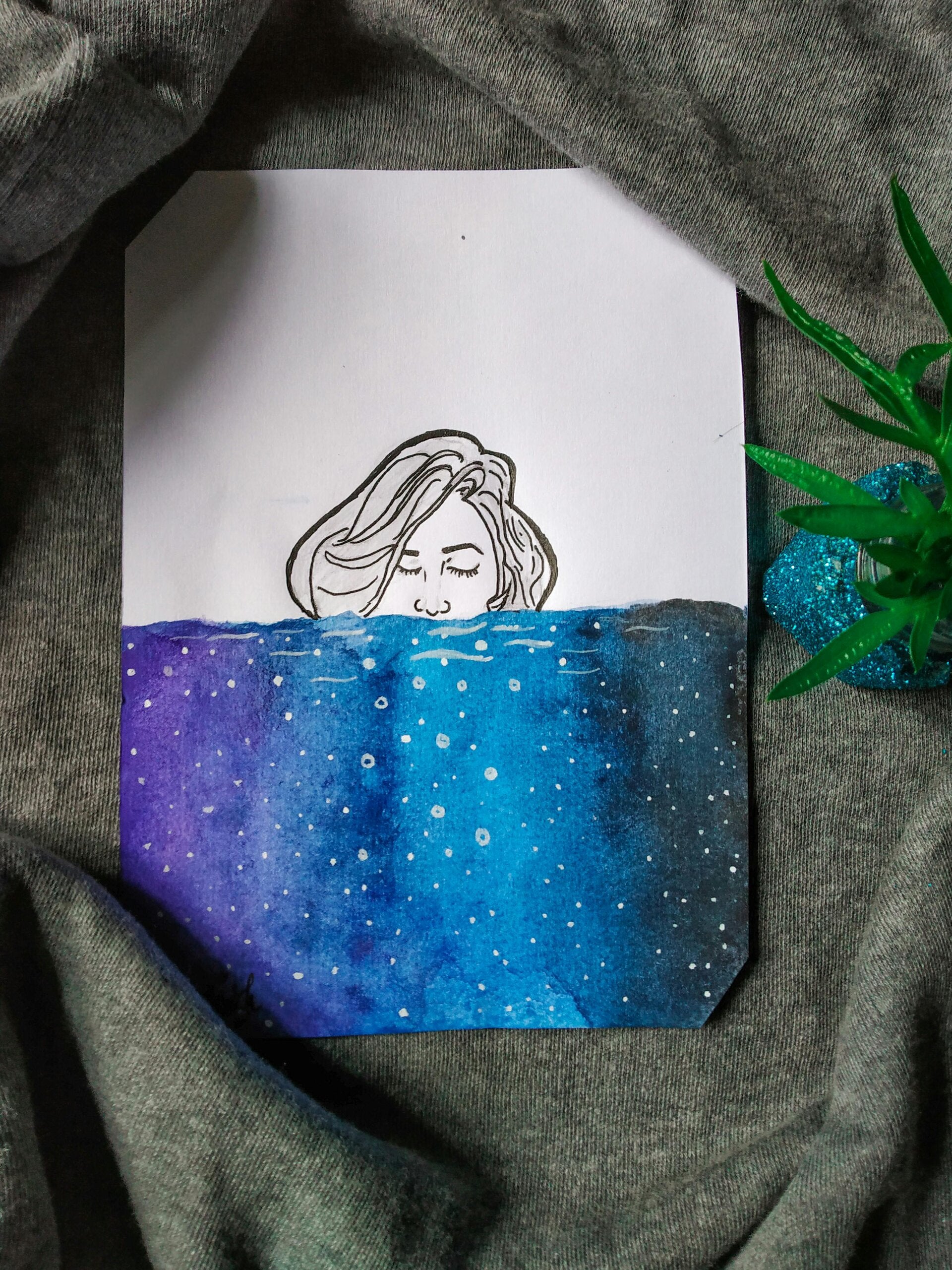
Mindfulness and meaningful art
Integrating mindfulness into art education allows students to slow down, focus, and connect deeply with their creative process. This practice makes their work more meaningful, expressive, and authentic. As a woman of color, I am proud to provide diverse representation in the classroom, showing students that educators come from all backgrounds, cultures, and experiences. Representation truly matters in fostering a truly inclusive learning environment.

Guiding growth, fostering freedom
My teaching philosophy extends beyond sharing knowledge; it's about inspiring growth, resilience, and freedom in my students. I equip them with tools to think critically, pursue their passions, and discover their unique strengths and "superpowers." By creating a space where creativity and diversity thrive, I provide continuous opportunities for students to succeed step by step, helping them become confident, independent learners who dream big.
"Toby Negash's passion for igniting creativity and fostering self-discovery is truly inspiring. Her philosophy cultivates not just artists, but confident, mindful thinkers."
-2020
Create Your Own Website With Webador